
As a tennis player, you know the grind. You drill your forehand until your arm feels like rubber, you push through the sprints, and you meticulously watch your diet to stay lean for the season.
But there is a hidden opponent that sabotages your hard work while you are asleep—or rather, while you aren’t sleeping.
We usually think of weight gain as a math problem: calories in versus calories out. But the science reveals a biological war happening in your endocrine system. If you are cutting calories but skimping on sleep, you are trying to win a match with a broken racket.
Here is why rest isn't just about feeling fresh; it is about hormonal control and staying lean on the court.
The "Hungry" Hormone Tag-Team
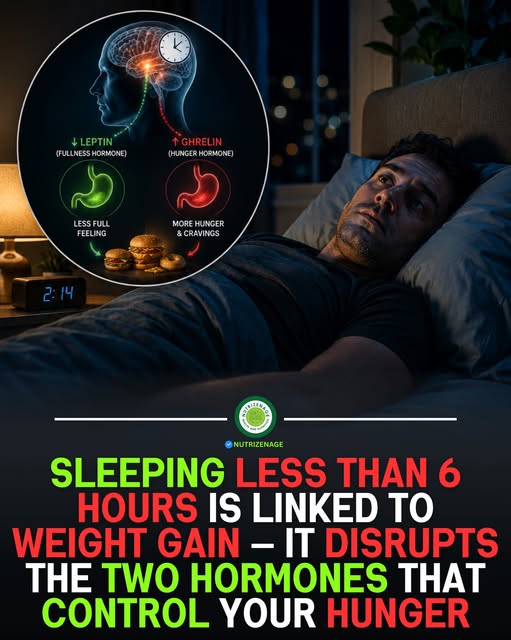
Two hormones govern your appetite like a seesaw:
- Leptin: The ref that blows the whistle and says, "You’re full."
- Ghrelin: The aggressive opponent yelling, "Eat more!"
When you cut your sleep short, even by just a couple of hours, your leptin drops and your ghrelin spikes. This means you wake up hungrier, and more dangerously, you struggle to feel satisfied by your meals.
For a tennis player, this is a disaster. Studies show sleep-deprived people consume several hundred extra calories a day without even realizing it. Even worse, the cravings aren't for lean protein and complex carbs—they are for high-calorie, high-carb junk food. Your body is desperately seeking a quick energy fix to compensate for the lack of rest, which leads to poor food choices before you even step on the court.
The Cortisol Trap (The Belly Fat Enemy)
Tennis is stressful on the body. Add poor sleep to that mix, and you spike your cortisol levels (the stress hormone). High cortisol tells your body to store fat—specifically visceral belly fat—because it thinks you are in survival mode.
This is why you often see players who "eat clean" but carry stubborn weight. They are fighting their own biology. That extra weight around the midsection isn't just bad for aesthetics; it slows your rotational speed and affects your agility on the court.
Wrecking Your "Fuel Efficiency" (Insulin Sensitivity)
You need carbs for energy on the court. They are your fuel. But when you are sleep-deprived, your insulin sensitivity drops. This means your body handles carbohydrates worse; instead of shuttling glucose into your muscles for energy, you are more likely to store it as fat.
You end up feeling sluggish, your energy dips mid-match, and you lose that explosive first step. You aren't fueling your muscles; you are clogging your system.
The Willpower Myth
We often attribute poor dieting to a lack of discipline.
But tiredness reduces willpower. When you are fatigued, the prefrontal cortex—the part of your brain responsible for decision-making—shuts down.
This is why you are more likely to grab a sugary sports drink or a fast-food burger after a bad night’s sleep. It’s not that you lack discipline; it’s that your brain is too exhausted to fight the cravings.
The Tennis Takeaway
If you are working on your weight and your game, sleep isn't optional recovery—it is part of the training intervention.
For some players, getting seven-plus hours of quality sleep does more for their weight loss and recovery than adding another brutal gym session. A tired body cannot rebuild muscle, cannot burn fat efficiently, and cannot execute a drop shot with precision.
The Fix?
- Aim for 7.5 to 9 hours: Pro players like Roger Federer reportedly slept 10-12 hours. Your body repairs the micro-tears in your muscles during deep sleep cycles.
- Consistency: Go to bed and wake up at the same time, even on match days. This regulates your circadian rhythm, which in turn regulates leptin and ghrelin.
- Wind Down: Blue light from screens suppresses melatonin. Put the phone away 30 minutes before bed.
The Result: You will wake up with fewer cravings. Your body will utilize your food for energy rather than storing it as fat. And you will step onto the court with the sharp mental clarity needed to read your opponent’s serve.
Don't let poor sleep beat you before the match even starts. Fix the sleep, and the cravings—and the weight—often fix themselves.