
A tennis health blog exploring cat purr frequencies, bone healing, and recovery after injury.
Blog
As a tennis player, you know the drill. The squeak of shoes on a hard court, the jarring stop-and-go of a baseline rally, and the repetitive strain on your dominant shoulder.

In tennis, everyone notices the big serve. Everyone watches the flashy forehand. Everyone talks about the player who hits winners from impossible angles.

As a tennis professional who has spent decades on American courts, I have watched thousands of players chase strength in the wrong places.
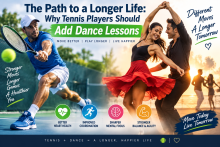
As a tennis professional in the United States, I have watched thousands of players chase better forehands, faster serves, and smarter doubles strategy.
As a tennis professional who has spent decades on American courts, I have seen what separates players who last from those who fade. The ones who keep playing into their 70s and 80s do not just hit balls. They move well. They stay balanced.

As a tennis professional who has spent decades on American courts, from public parks in Florida to USTA National Senior Games in Iowa, I can tell you with absolute certainty: the racket in your hand is one of the most powerful longevity tools avai
Tennis players spend hours on footwork, serve technique, and strategy. But there is a cheap, portable, and surprisingly powerful training tool that most players ignore: daily singing.