
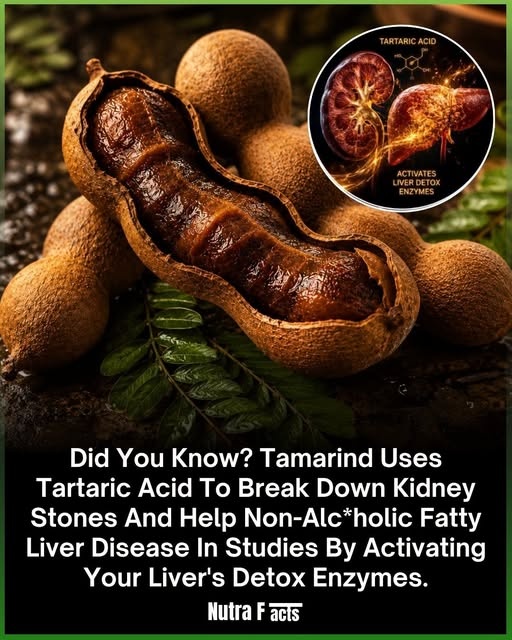
The image makes strong health claims about tamarind curing kidney stones and activating liver detox enzymes. Current scientific evidence does not support those claims as established medical facts. Tamarind does contain antioxidants, fiber, vitamins, minerals, and tartaric acid, but there is no high-quality clinical evidence that eating tamarind breaks down kidney stones or treats non-alcoholic fatty liver disease (NAFLD). It should be viewed as a nutritious food rather than a proven medical treatment.
Tamarind and Tennis Performance: Benefits for a Healthy Body
For tennis players, tamarind can be part of a balanced sports nutrition plan because it provides several nutrients that support overall health and recovery.
1. Natural Energy Source
Tamarind contains natural carbohydrates that can help replenish energy after long training sessions or competitive matches. It can be a healthy snack when combined with protein and plenty of water.
2. Rich in Antioxidants
The fruit contains polyphenols and vitamin C that help combat oxidative stress produced during intense exercise. This may support recovery, although it does not replace proper rest and nutrition.
3. Supports Muscle Function
Tamarind provides modest amounts of:
- Potassium
- Magnesium
- Calcium
These minerals contribute to normal muscle contraction and nerve function, both of which are essential for serving, sprinting, and changing direction on the tennis court.
4. Aids Digestive Health
Its dietary fiber promotes healthy digestion and may help athletes maintain regular bowel function, especially when consumed as part of a high-fiber diet.
5. Hydration Support
Fresh tamarind drinks prepared with limited added sugar can contribute to fluid intake in hot climates. Proper hydration remains one of the most important factors for tennis performance.
Benefits for Tennis Conditioning
Elite tennis players rely on nutrition to maintain endurance throughout long matches. Tamarind may contribute by supporting:
- Sustained energy during training
- Recovery after high-intensity exercise
- Muscle and nerve function
- Immune health through antioxidants
- Digestive wellness for consistent nutrient absorption
These benefits work best when combined with:
- Adequate protein intake
- Complex carbohydrates
- Healthy fats
- Plenty of fruits and vegetables
- Good hydration
- Quality sleep
Kidney and Liver Health
Current research suggests that diets rich in fruits and vegetables are associated with better overall metabolic health, but there is no reliable evidence that tamarind alone:
- Dissolves kidney stones
- Activates liver detox enzymes in a clinically meaningful way
- Reverses fatty liver disease
People with kidney stones or liver disease should follow advice from a qualified healthcare professional rather than relying on a single food.
Worldwide Sports Nutrition Perspective
Sports dietitians and health experts generally recommend emphasizing whole foods instead of "superfoods." Tamarind can be a healthy addition to an athlete's diet, but it should be part of a varied eating pattern that includes:
- Lean proteins
- Whole grains
- Fresh fruits
- Colorful vegetables
- Nuts and seeds
- Healthy fats
- Adequate hydration
Tamarind is a nutritious fruit that can support overall wellness, recovery, and athletic conditioning, making it a reasonable choice for tennis players as part of a balanced diet. However, claims that it breaks down kidney stones or cures fatty liver disease are not supported by strong clinical evidence. Consistent training, balanced nutrition, hydration, and recovery remain the foundations of peak tennis performance and long-term health.