
Mango is one of the world's most nutritious tropical fruits, offering a unique combination of natural carbohydrates, vitamins, minerals, antioxidants, and dietary fiber. For tennis players, mango can provide sustained energy, support muscle recovery, promote hydration, and contribute to long-term overall health when included as part of a balanced diet.
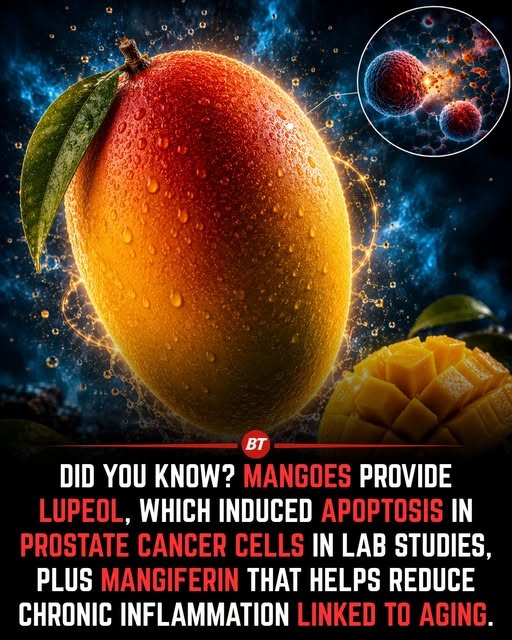
Although laboratory studies have examined natural compounds in mango such as mangiferin and lupeol, these findings should not be interpreted as proof that eating mango prevents or treats cancer. Most evidence for these compounds comes from laboratory or animal research rather than large clinical trials in humans.
Why Mango Is an Excellent Fruit for Tennis Players
Tennis requires:
- Explosive movement
- Endurance
- Fast recovery
- Mental concentration
- Healthy muscles
- Strong immunity
Mango contains nutrients that support many of these physical demands.
1. Provides Natural Energy
Mango contains natural carbohydrates that help replenish glycogen stores after training or competition.
Benefits include:
- Sustained energy
- Reduced fatigue
- Faster recovery after long matches
- Healthy carbohydrate replacement
This makes mango an excellent recovery fruit after tennis practice.
2. Rich in Vitamin C
One cup of mango provides a large portion of the daily vitamin C requirement.
Vitamin C helps:
- Support immune health
- Produce collagen
- Repair muscles
- Maintain healthy tendons
- Improve wound healing
Healthy tendons and ligaments are especially important for tennis players because of repetitive serving and groundstroke motions.
3. Supports Muscle Recovery
After intense exercise, muscles experience microscopic damage.
Mango contributes nutrients involved in:
- Tissue repair
- Collagen production
- Antioxidant protection
- Recovery after exercise
Pairing mango with protein, such as Greek yogurt or cottage cheese, creates an excellent post-workout snack.
4. Powerful Antioxidant Protection
Mango contains several beneficial antioxidants, including:
- Mangiferin
- Beta-carotene
- Vitamin C
- Polyphenols
These compounds help protect cells from oxidative stress generated during strenuous exercise.
5. Supports Heart Health
Healthy blood circulation is essential for athletic performance.
Mango provides:
- Potassium
- Magnesium (small amounts)
- Fiber
- Antioxidants
These nutrients support normal heart function and blood vessel health.
6. Promotes Healthy Digestion
Mango contains:
- Dietary fiber
- Natural digestive enzymes
These help support healthy digestion and regular bowel movements, allowing athletes to absorb nutrients efficiently.
7. Helps Maintain Hydration
Fresh mango contains a high percentage of water.
Combined with its natural electrolytes, mango contributes to maintaining hydration, especially when eaten alongside adequate fluid intake.
8. Supports Eye Health
Fast visual processing is critical in tennis.
Mango supplies:
- Vitamin A precursors
- Beta-carotene
- Lutein
- Zeaxanthin
These nutrients help maintain healthy vision, which is essential for tracking ball speed and spin.
9. Supports Healthy Skin
Hours spent outdoors expose tennis players to sunlight.
Vitamin C and beta-carotene help maintain healthy skin by supporting collagen formation and protecting cells from oxidative stress.
10. Supports Brain Function
Mango contains nutrients involved in normal nervous system function, including vitamin B6.
Healthy brain function contributes to:
- Faster decision-making
- Better concentration
- Improved reaction time
- Mental endurance during long matches
11. Supports Immune Health
Consistent training places demands on the immune system.
Vitamin C, vitamin A, and antioxidants in mango help support normal immune function and overall wellness.
12. Helps Maintain Healthy Weight
Despite its natural sweetness, mango can fit into a healthy diet when eaten in moderation.
Its fiber content promotes fullness, which may help reduce unnecessary snacking.
13. Supports Bone Health
Mango contains small amounts of nutrients involved in bone maintenance, including:
- Vitamin K
- Magnesium
- Potassium
Strong bones are essential for the repeated jumping, sprinting, and directional changes required in tennis.
14. Anti-Inflammatory Compounds
Researchers have identified several natural compounds in mango that show anti-inflammatory effects in laboratory studies.
These include:
- Mangiferin
- Polyphenols
- Flavonoids
While these findings are promising, more human studies are needed before concluding that mango has specific anti-inflammatory medical effects.
Best Time to Eat Mango for Tennis Players
Before Tennis (60–90 Minutes Before)
A moderate serving of mango provides easily digestible carbohydrates for energy.
Examples:
- Fresh mango slices
- Mango with oatmeal
- Mango smoothie
After Tennis (Within 30–60 Minutes)
Mango helps replenish carbohydrate stores.
Pair with:
- Greek yogurt
- Cottage cheese
- Milk
- Protein shake
- Eggs
Adding protein supports muscle repair and recovery.
During Rest Days
Mango can be enjoyed as part of breakfast, lunch, or a healthy snack to help meet daily fruit intake goals.
How Much Mango Should You Eat?
For most healthy adults:
- 1 cup (about 165 grams) of fresh mango per day is a nutritious serving.
- Very active individuals may enjoy 1–2 cups daily as part of a balanced diet, while keeping total calorie and sugar intake in mind.
People with diabetes should discuss portion sizes with their healthcare provider, as mango contains natural sugars.
Easy Healthy Mango Meals
- Mango with Greek yogurt
- Mango oatmeal
- Mango spinach smoothie
- Chicken mango salad
- Cottage cheese with mango
- Fresh mango and nuts
- Mango salsa with grilled fish
- Brown rice with grilled chicken and mango salad
Scientific Perspective on Mango and Cancer
Mango contains bioactive compounds such as mangiferin and lupeol that have shown interesting effects against cancer cells in laboratory research. However, these studies do not demonstrate that eating mango prevents or treats prostate cancer in humans. Cancer risk is influenced by many factors, including genetics, age, lifestyle, physical activity, and overall diet.
Mango should be viewed as part of a healthy eating pattern rather than as a medical treatment.
Final Thoughts
Mango is one of the best fruits for tennis players because it provides natural energy, vitamin C, antioxidants, fiber, and essential nutrients that support recovery, hydration, immune function, heart health, vision, and overall athletic conditioning. Eating fresh mango before or after training can help fuel performance and aid recovery, especially when combined with lean protein and a balanced diet.
While laboratory research on mango's natural compounds is promising, the strongest evidence supports mango as a nutrient-rich food that contributes to overall health, not as a cure or preventive treatment for specific diseases. For the greatest benefit, include mango as part of a varied diet rich in fruits, vegetables, whole grains, lean proteins, and healthy fats, alongside consistent training, hydration, and adequate sleep.