
Tennis is one of the most physically demanding sports in the world. Professional players may spend two to five hours on the court, often under intense heat while covering several kilometers during a single match. Every sprint, split-step, serve, and recovery movement depends on one thing that many amateur players overlook—nutrition.
While many people believe training alone creates champions, elite coaches know that peak performance cannot be achieved with a poor diet.
The Hidden Problem: Processed Foods in Tennis
Even professional players are human. During long tournaments and busy travel schedules, some athletes occasionally rely on convenient foods such as:
- Processed deli meats
- Hot dogs
- Sausages
- Fast-food burgers
- Packaged snacks
- Sugary drinks
- Potato chips
- Instant noodles
Eating these foods occasionally is unlikely to determine a player's career. However, regularly relying on highly processed foods can make it harder to recover, maintain energy, and perform at the highest level.
Many processed foods are high in:
- Sodium
- Saturated fat
- Added sugars
- Preservatives
- Calories with relatively low nutritional value
These foods generally provide fewer vitamins, minerals, and antioxidants than whole foods.
Why Nutrition Matters More Than Ever
Professional tennis players often compete for weeks without long breaks.
Their bodies require:
- Fast muscle recovery
- Strong immune function
- Stable energy levels
- Healthy joints
- Quick reaction time
- Mental focus under pressure
Without proper nutrition, recovery slows.
Small decreases in recovery can eventually affect:
- Foot speed
- Shot consistency
- Endurance
- Decision-making
- Concentration in long matches
At the highest level, even a small drop in physical performance can influence match outcomes.
Why Most Top Professionals Have Sports Nutrition Experts
Nearly every elite ATP and WTA player works with professionals who help manage nutrition, including sports dietitians and nutritionists.
These experts monitor:
- Daily calorie intake
- Protein requirements
- Hydration status
- Electrolyte replacement
- Recovery meals
- Match-day nutrition
- Travel nutrition plans
- Body composition
Nutrition planning is as important as strength training.
Players do not simply eat when they are hungry.
Instead, meals are carefully timed to support:
- Morning practice
- Afternoon matches
- Evening recovery
- Sleep quality
- Tournament scheduling
Foods Commonly Found in Elite Tennis Diets
Instead of relying on processed meals, many professionals focus on nutrient-rich foods such as:
Lean Protein
- Chicken breast
- Fish
- Eggs
- Turkey
- Greek yogurt
These foods help repair muscles after training.
Complex Carbohydrates
- Oatmeal
- Brown rice
- Sweet potatoes
- Whole-grain pasta
- Quinoa
These provide long-lasting energy for demanding matches.
Fruits and Vegetables
Colorful produce supplies antioxidants that help reduce exercise-related oxidative stress and support recovery.
Favorites include:
- Bananas
- Berries
- Oranges
- Spinach
- Broccoli
- Avocados
Healthy Fats
- Salmon
- Olive oil
- Almonds
- Walnuts
- Chia seeds
Healthy fats support heart health and help absorb certain vitamins.
Recovery Begins Immediately After the Match
Professional players don't wait until dinner to recover.
Within 30–60 minutes after a match, many consume a recovery meal or snack containing:
- Protein
- Carbohydrates
- Fluids
- Electrolytes
This helps replenish glycogen stores and supports muscle repair before the next training session or match.
Can Processed Foods Increase Health Risks?
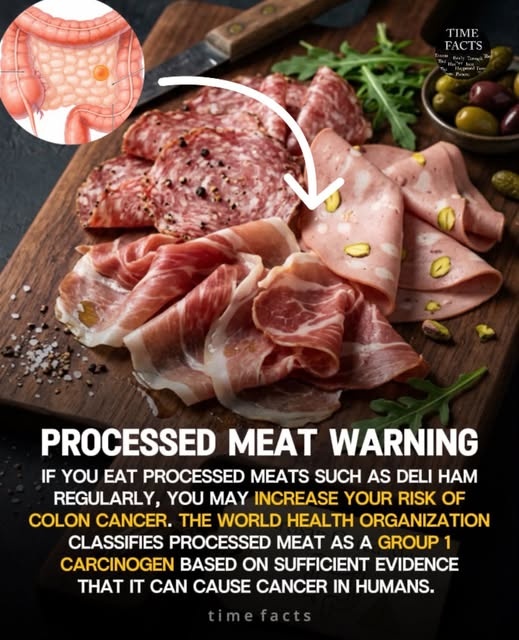
Research suggests that diets high in processed meats are associated with an increased risk of certain health conditions, including colorectal cancer. For this reason, many health organizations recommend limiting processed meat intake as part of an overall healthy eating pattern.
For athletes, regularly consuming large amounts of processed foods may also make it more difficult to meet nutritional needs for recovery and long-term health.
The Winning Formula
World-class tennis players understand that success isn't built only on powerful serves or perfect backhands.
Championship performance comes from:
- Smart training
- Quality sleep
- Proper hydration
- Mental preparation
- Consistent recovery
- Excellent nutrition
Every meal is another opportunity to support performance.
Final Thoughts from a WTP Expert
Talent can win points.
Training can win matches.
But nutrition helps sustain a career.
If you want to perform like the world's best players, start treating food as part of your training—not as an afterthought. Choosing whole, nutrient-dense foods more often than highly processed options supports energy, recovery, and long-term health. While occasional processed foods are part of many people's diets, building your routine around balanced nutrition gives your body the best chance to perform at its highest level.
"Champions are not only built on the practice court—they are also built in the kitchen."