
In tennis, every explosive serve, powerful forehand, lightning-fast sprint, and perfectly balanced backhand begins from one place—the legs. While many players spend hours improving their strokes and serves, they often neglect the foundation that produces speed, stability, endurance, and power: lower-body strength.
Leg training is more than building muscular legs. It improves athletic performance, protects joints, supports brain health, and helps maintain mobility as you age. Health organizations worldwide consistently recommend regular strength training because it contributes to better physical function, independence, and overall health throughout life.
Why Leg Strength Matters in Tennis
Professional tennis coaches often describe the legs as the "engine" of every shot.
Every movement on the court depends on:
- Explosive acceleration
- Quick stops
- Rapid direction changes
- Stable balance
- Efficient recovery between points
Without strong legs, players lose speed, accuracy, and consistency.
The Legs Generate Power
Many recreational players believe powerful shots come mainly from strong arms.
In reality, the kinetic chain begins with the feet and legs.
Power flows through:
Feet → Legs → Hips → Core → Shoulders → Arm → Racquet
When your legs generate force, your strokes become more powerful while placing less stress on your shoulder and elbow.
Faster Court Coverage
Tennis demands constant movement.
Strong legs improve:
- Sprint speed
- Side-to-side movement
- Split-step explosiveness
- Recovery after wide shots
- Defensive positioning
Even a small improvement in leg power can help players reach more balls and stay balanced during rallies.
More Powerful Serves
A professional serve begins from the ground.
Strong leg drive helps players:
- Jump higher
- Transfer force upward
- Increase racket-head speed
- Produce more powerful serves
The world's best servers rely heavily on lower-body strength to generate pace rather than relying solely on arm strength.
Better Balance and Stability
Every stroke requires body control.
Leg strength improves:
- Single-leg balance
- Stability during open-stance shots
- Controlled landing after serving
- Safer movement on different court surfaces
Improved balance also lowers the risk of falls and awkward movements.
Reduced Injury Risk
Regular lower-body strength training supports healthy muscles around the:
- Knees
- Hips
- Ankles
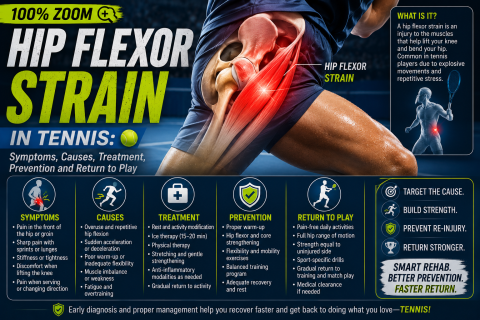
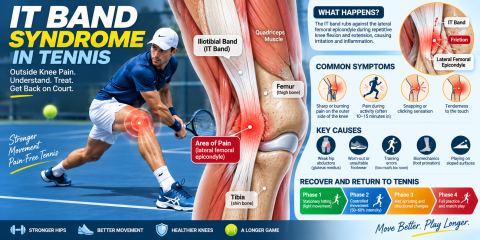
Combined with flexibility and proper technique, strong legs may help reduce the risk of common overuse injuries experienced by tennis players.
Better Endurance
Strong muscles use energy more efficiently.
Players often notice:
- Less fatigue during long matches
- Better movement late in the third set
- More consistent footwork
- Improved recovery between rallies
Leg Training and Brain Health
Exercise benefits not only muscles but also the brain.
Research has shown that regular physical activity, including resistance and lower-body training, can increase levels of brain-derived neurotrophic factor (BDNF). BDNF supports learning, memory, and the growth and maintenance of healthy brain cells.
While lower-body exercises are excellent for overall fitness, current research does not conclusively show that leg exercises produce more BDNF than every other type of exercise. Aerobic exercise, interval training, and full-body resistance training can also increase BDNF.
Supports Healthy Aging
As people grow older, maintaining muscle strength becomes increasingly important.
Regular strength training helps:
- Preserve muscle mass
- Improve bone strength
- Maintain mobility
- Support balance
- Reduce the risk of falls
- Promote independence in later life
Remaining physically active is one of the most effective ways to support healthy aging.
Strong Legs Support Heart Health
Compound exercises engage large muscle groups, increasing heart rate and improving cardiovascular fitness when incorporated into a balanced exercise program.
Benefits include:
- Better circulation
- Improved endurance
- Higher calorie expenditure
- Enhanced overall fitness
Daily Activities Become Easier
Strong legs make everyday movements more efficient:
- Climbing stairs
- Carrying groceries
- Walking long distances
- Standing from a chair
- Lifting objects safely
Functional strength improves quality of life well beyond sports.
Why Many People Neglect Leg Training
Despite its importance, leg workouts are often skipped because they are physically demanding.
Common reasons include:
- Muscle soreness
- Preference for upper-body exercises
- Limited time
- Lack of proper guidance
- Underestimating the importance of lower-body strength
However, consistently avoiding leg training can create muscle imbalances that affect both athletic performance and long-term health.
Best Leg Exercises for Tennis Players
Professional coaches commonly include:
- Squats
- Lunges
- Split squats
- Step-ups
- Romanian deadlifts
- Calf raises
- Glute bridges
- Box jumps (for experienced athletes)
- Lateral lunges
- Single-leg balance drills
These exercises develop strength, stability, and explosive movement specific to tennis.
Weekly Training Recommendation
For most healthy adults and tennis players:
- Strength training: 2–3 sessions per week targeting all major muscle groups.
- Mobility and flexibility: Daily or most days of the week.
- Tennis-specific footwork and agility: 2–4 sessions per week, depending on playing level.
- Recovery: Include rest days and adequate sleep to allow muscles to adapt.
Training intensity should match your fitness level and any medical conditions.
Nutrition for Leg Recovery
Recovery depends on proper nutrition.
Include:
- Lean protein
- Whole grains
- Fruits
- Vegetables
- Healthy fats
- Adequate water
- Calcium and vitamin D-rich foods
Post-workout meals should combine protein with carbohydrates to support muscle repair and replenish energy stores.
Healthy Habits for a Longer Active Life
Regular lower-body training, combined with aerobic exercise, balanced nutrition, sufficient sleep, and avoiding tobacco, contributes to maintaining strength and mobility throughout life. These habits are associated with healthier aging and a greater ability to remain physically active in later years.
Advice from Health Experts and Professional Coaches
Health authorities worldwide recommend regular muscle-strengthening activities as part of a healthy lifestyle. Tennis coaches also emphasize that lower-body strength is the foundation of speed, balance, power, and consistency on the court.
Building strong legs does not require lifting extremely heavy weights every day. Consistent, well-designed training with proper technique, progressive overload, and adequate recovery provides the greatest long-term benefits.
Final Thoughts
Leg training is one of the most valuable investments a tennis player—or any active adult—can make. Strong legs generate explosive power, improve court movement, enhance balance, support recovery, and help reduce injury risk. Regular lower-body exercise also contributes to brain health, healthy aging, and maintaining independence later in life.
Rather than viewing leg day as something to skip, make it a consistent part of your weekly routine. Combined with smart nutrition, quality sleep, and tennis-specific practice, stronger legs can elevate your performance on the court while supporting a healthier, more active life for years to come.