
Blog

This article is designed to be the ultimate resource for new players. To maximize its effectiveness, it should be structured into five key sections that mirror a beginner's journey from curiosity to first game.
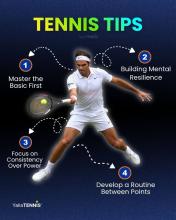
Master the Basics First
Build Strong Fundamentals
Footwork, Balance, and Timing Matter
Consistency Builds Confidence
Great Players Focus on Discipline and Smart Practice

In modern tennis, matches are often decided by two key styles: stamina-based play and technical precision. Some players rely on endurance and physical dominance, while others depend on skill, timing, and shot variety.

Speaker: Expert Game Analyst / Sports Psychologist
Audience: Athletes, Coaches, Sports Psychologists, Tennis Players
Duration: 20 minutes

Match Details
- Tournament: WTA Tour Event 2026
- Date: Upcoming Match
- Philippine Time: To be announced
- Surface: Hard Court
Player Comparison

Welcome back to the baseline, tennis fans! We talk a lot about topspin, footwork, and the perfect serve. But today, we're diving into a topic that affects your game more than your racket choice: what's going on inside your body.

Welcome back to The Fuel Point, where we serve up the best nutrition strategies to win from the kitchen first! Today, we're sharing a game-changing secret that sounds almost too good to be true.
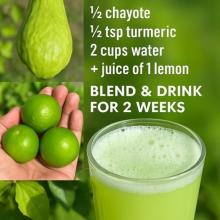
If you're like us, you spend hours on the court chasing that perfect shot. But what happens after the match? The muscle soreness, the heavy legs, the general fatigue that can linger for days?

We’re always looking for an edge. Faster footwork, a bigger serve, more stamina in the third set. While we invest in new rackets and perfect our technique, sometimes the biggest advantage is found not in the pro shop, but in the kitchen.